Understanding India's Fuel Price Hikes: State Taxes & Volatility
For millions across India, the daily fluctuation in fuel prices is a consistent topic of conversation, directly impacting household budgets and business operations. The "Petrol Price In India" isn't a static figure; it's a dynamic calculation influenced by a complex interplay of global crude oil markets, international geopolitics, and domestic taxation policies. This article delves into the core factors that dictate what you pay at the pump, unraveling the mystery behind why prices can soar rapidly and vary significantly from one state to another. From daily revisions to the burden of state-specific taxes and the shadow of global events, we explore the multifaceted nature of India's fuel pricing landscape.
The Dynamic Pricing Mechanism: A Daily Reality
Gone are the days when fuel prices in India were revised fortnightly or monthly. Since June 2017, India adopted a "dynamic pricing" model, where petrol and diesel rates are revised every morning at 06:00 A.M. This system, introduced to bring greater transparency and ensure that changes in international crude oil prices are immediately passed on to consumers and dealers, means that the
Petrol Price In India can literally change overnight.
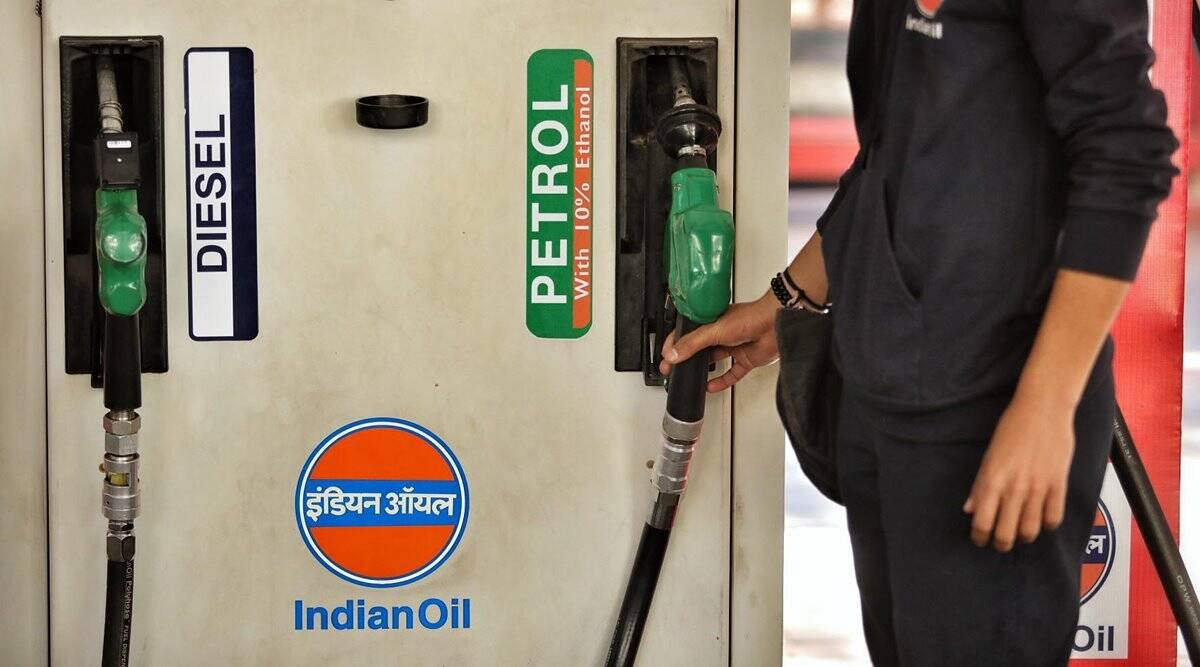
This daily revision mechanism ensures that oil marketing companies (OMCs) like Indian Oil, Bharat Petroleum, and Hindustan Petroleum can quickly respond to the volatility in global crude oil prices and currency exchange rates. While sometimes this can lead to marginal daily increases, at other times, it reflects stability or even slight reductions. However, it’s the significant and sustained uptrends, often triggered by global events, that tend to garner the most attention and concern among consumers. For example, there have been periods where prices have seen multiple hikes in a short span, such as a notorious instance of prices increasing for ten out of twelve days, adding several rupees per litre in major cities.
Decoding India's Fuel Bill: The Role of Taxes and Levies
One of the most significant reasons behind the variance in fuel prices across different Indian states is the substantial role played by taxes and local levies. When you fill up your tank, the price you pay isn't just the cost of crude oil; it's an amalgamation of several components:
*
Base Price: This is the refiner's cost of crude oil, refining charges, and other operational costs.
*
Freight Charges: The cost of transporting petrol from the refinery to the fuel station.
*
Dealer Commission: The margin earned by the petrol pump owner.
*
Central Excise Duty: A fixed tax levied by the Central Government. While the Centre has occasionally reduced this duty to provide relief (e.g., in November 2021), it remains a significant component.
*
State Value Added Tax (VAT): This is arguably the most variable component. State VAT is levied by individual state governments and is usually a percentage of the base price, central excise duty, and dealer commission. Since states impose different VAT rates, the final retail price varies considerably. For instance, Mumbai's petrol prices are typically higher than Delhi's due to a higher percentage of state VAT.
*
Local Levies/Cess: Some municipalities or states may impose additional surcharges or cess, further contributing to price disparities.
The combination of these elements means that approximately 50-60% of the retail price of petrol and diesel can be attributed to taxes and duties. This explains why, despite similar global crude oil prices, the cost of petrol in Mumbai could be Rs 103.50 per litre while in Delhi it stands at Rs 94.77 per litre (as per a recent snapshot). The sheer difference in state VAT rates is the primary driver of these geographical price gaps, turning a national commodity into a locally priced product.
Global Volatility: The Geopolitical Undercurrent
While domestic taxes play a crucial role, the most unpredictable and often dramatic shifts in the
Petrol Price In India stem from global crude oil markets. India imports nearly 90% of its crude oil requirements, making it highly susceptible to international price movements. Several factors contribute to this global volatility:
*
Geopolitical Tensions: Political instability, conflicts, or sanctions in major oil-producing regions can disrupt supply chains and trigger price hikes. The Middle East, being a significant source of crude, often serves as a barometer for global oil stability. Escalating tensions, particularly involving major players like the US, Israel, and Iran, immediately send shockwaves through energy markets.
*
Supply Disruptions: Key shipping routes, such as the Strait of Hormuz – a critical conduit for nearly 20% of global oil and LNG trade – are highly sensitive. Any threat or actual disruption to tanker movement through such chokepoints can severely tighten global supply, causing crude benchmarks like Brent and WTI to surge rapidly. Market analysts have warned that prolonged closures could see crude prices climb to $110-$150 per barrel, driven by a "geopolitical risk premium."
*
OPEC+ Decisions: The Organization of the Petroleum Exporting Countries (OPEC) and its allies (OPEC+) often influence global supply through production cuts or increases, directly impacting prices.
*
Global Demand and Economic Health: Strong global economic growth typically correlates with higher oil demand, pushing prices up. Conversely, economic slowdowns can lead to reduced demand and lower prices.
*
Currency Exchange Rate: Since crude oil is traded in US dollars, a weakening Indian Rupee against the dollar makes crude imports more expensive for India. This exchange rate fluctuation directly translates into higher input costs for OMCs, which are then passed on to consumers. Market experts closely watch this interplay; for instance, a weaker rupee combined with Brent crude near $100 per barrel could push domestic crude futures to significantly higher levels.
The Ripple Effect: Inflation and Economic Impact
The consequences of rising fuel prices extend far beyond the individual motorist. High petrol and diesel rates have a significant inflationary impact across the entire economy. Fuel is a fundamental input for almost every sector, especially transportation. When fuel costs rise:
*
Transportation Costs Increase: This directly affects the movement of goods, from agricultural produce to manufactured products. The cost of bringing essentials to market goes up.
*
Food Prices Rise: A major component of inflation in India is food. Increased transportation costs for farm produce and processed foods mean higher prices for consumers.
*
Manufacturing Costs: Industries relying on logistics for raw materials and finished goods face higher operational expenditures, which are often passed on to consumers.
*
Overall Consumer Price Index (CPI): Fuel price hikes contribute directly to the CPI, affecting the purchasing power of individuals and potentially leading to a broader inflationary spiral.
*
Economic Planning Challenges: For the government, managing fuel prices becomes a delicate balancing act between revenue generation through taxes and controlling inflation to protect consumer interests and economic stability. Sustained high oil prices can strain the national budget and hinder economic growth.
Conclusion
Understanding the "Petrol Price In India" requires acknowledging its intricate dance between global forces and domestic policies. The dynamic pricing mechanism ensures daily adjustments, while the substantial difference in state taxes creates a diverse pricing landscape across the nation. Crucially, India's heavy reliance on crude oil imports means that international geopolitical tensions, supply disruptions, and currency fluctuations cast a long shadow over domestic fuel costs. As consumers, staying informed about these factors is key. For policymakers, the challenge remains to navigate global volatility while balancing fiscal needs with the imperative of providing affordable energy to a rapidly developing economy.